Chemical-Resistant Packing Selection
Before temperature or pressure, confirm the packing's yarn and lubricant survive the exact chemical, concentration and temperature. A chemically wrong packing fails regardless of its mechanical rating.
Material options
- PTFE: the broadest inertness across acids, caustics and solvents; food- and pharma-grade available (see FDA 21 CFR 177.1550 for PTFE food-contact use).
- Graphite: excellent for most media, but avoid strong oxidizers such as concentrated nitric acid or fuming sulfuric acid.
- Specialty synthetics (e.g. ETFE, PEEK-based) for niches where PTFE lacks strength or temperature margin.
Quick compatibility guide
| Media class | Recommended |
|---|---|
| Dilute acids, caustics | PTFE, graphite |
| Solvents, hydrocarbons | PTFE, graphite |
| Strong oxidizers | PTFE (avoid graphite) |
| High temp + chemical | Graphite (non-oxidizing) |
Caveats
Compatibility narrows as concentration or temperature rises. Always request the maker's chemical-resistance chart for the exact duty, and confirm the lubricant (not just the yarn) is compatible.
Related: PTFE vs graphite material overview.
Frequently Asked Questions
Which packing is most chemically resistant?
Can graphite packing handle acids?
Is PTFE packing food safe?
Does temperature change chemical compatibility?
Related Products
All products →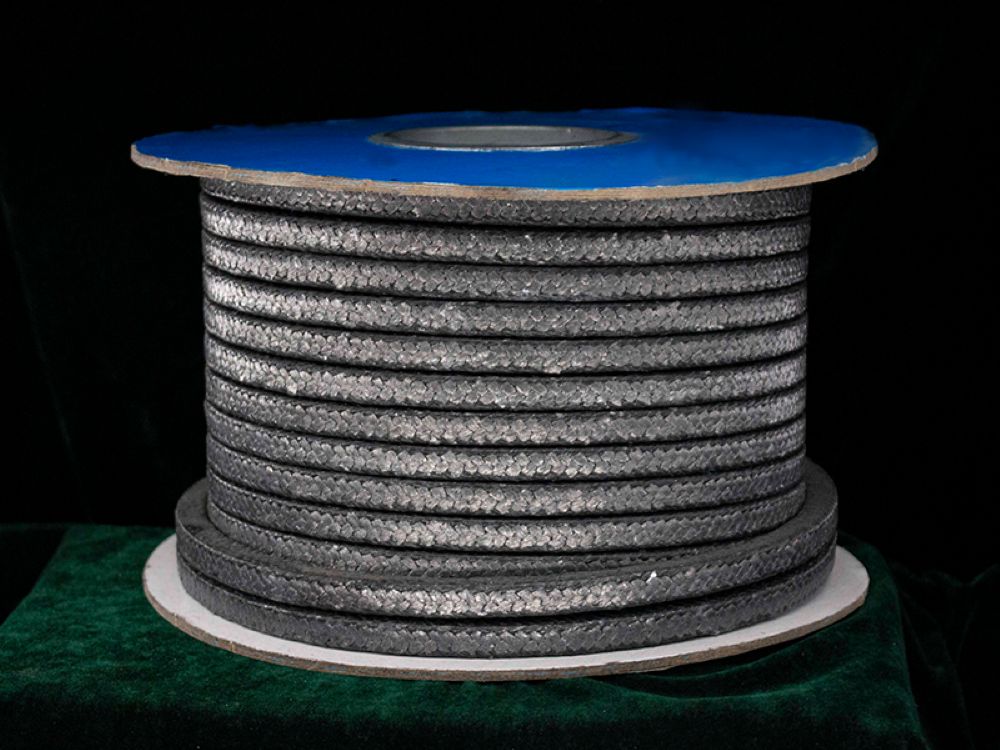
High-carbon Corner-yarn Graphite Packing
Braided from high-carbon fiber corner yarn and flexible graphite yarn. The high-carbon fiber is impregnated…
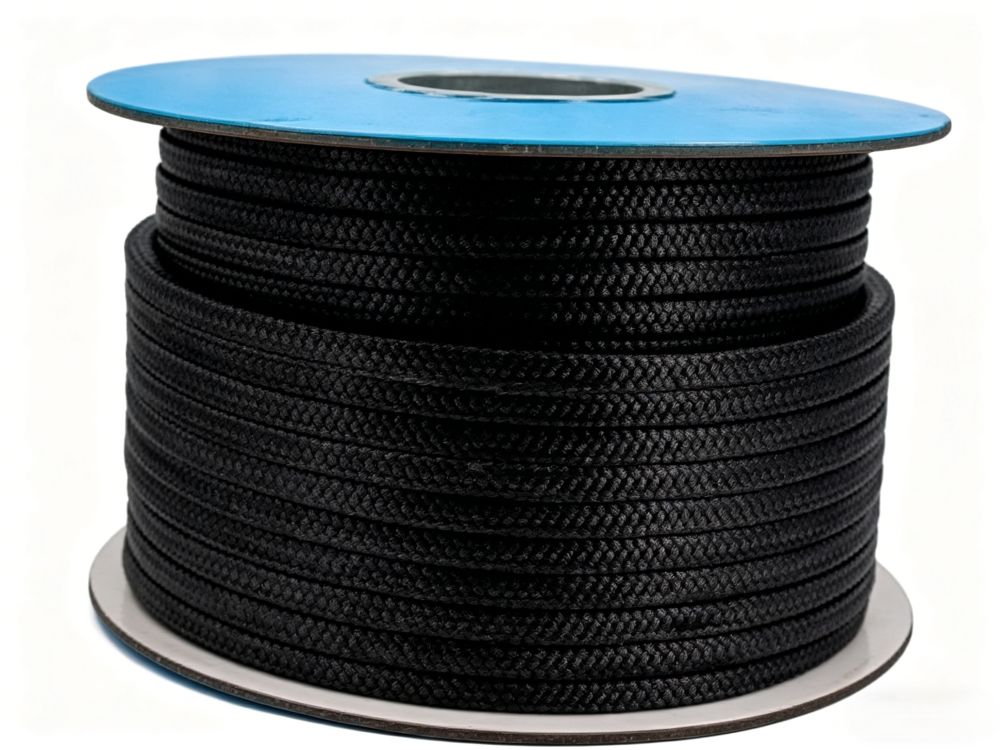
Graphite-coated Carbon Packing
Made by heart-braiding pre-oxidized carbon fiber impregnated with special lubricant and blocking agent, then…
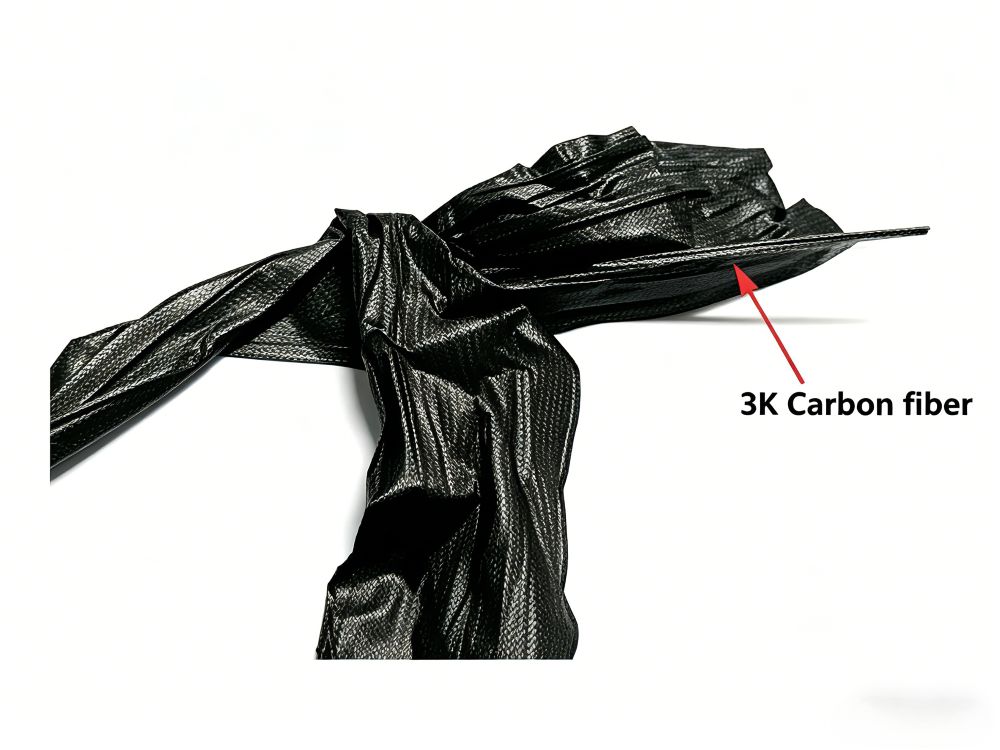
High-carbon Reinforced Double-layer Graphite PTFE Yarn
Based on 4105H with high-carbon fiber added at the center for reinforcement; graphite or other materials can…
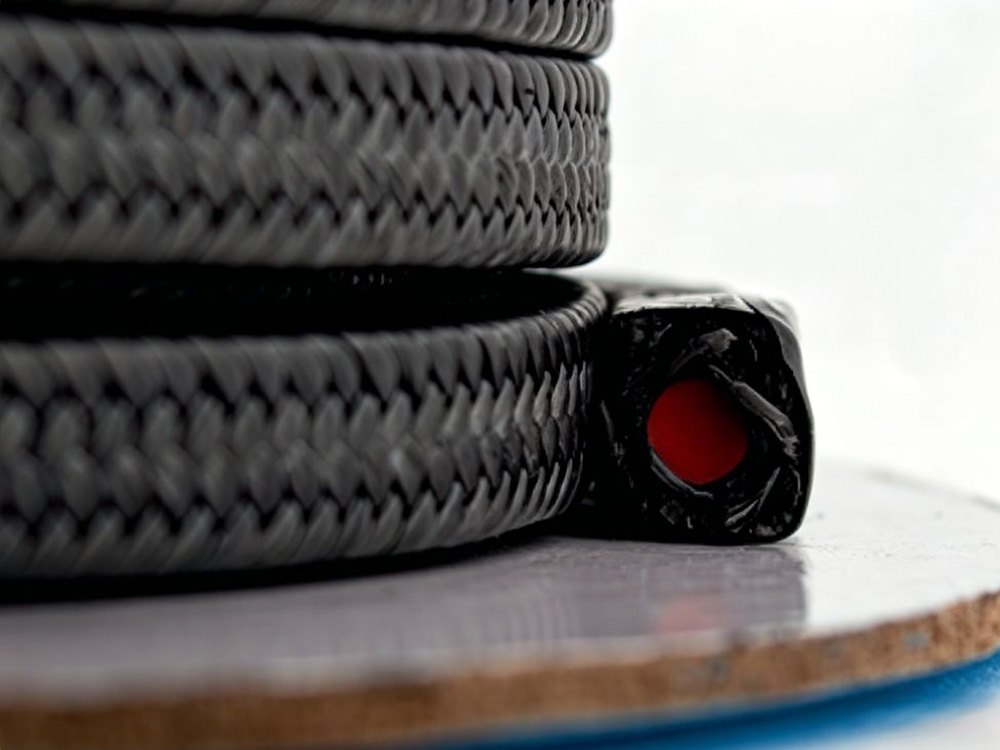
Graphite PTFE Braided Packing with Silicone Core
Braided from graphite-filled PTFE yarn with a central silicone core and a little dimethyl silicone oil…
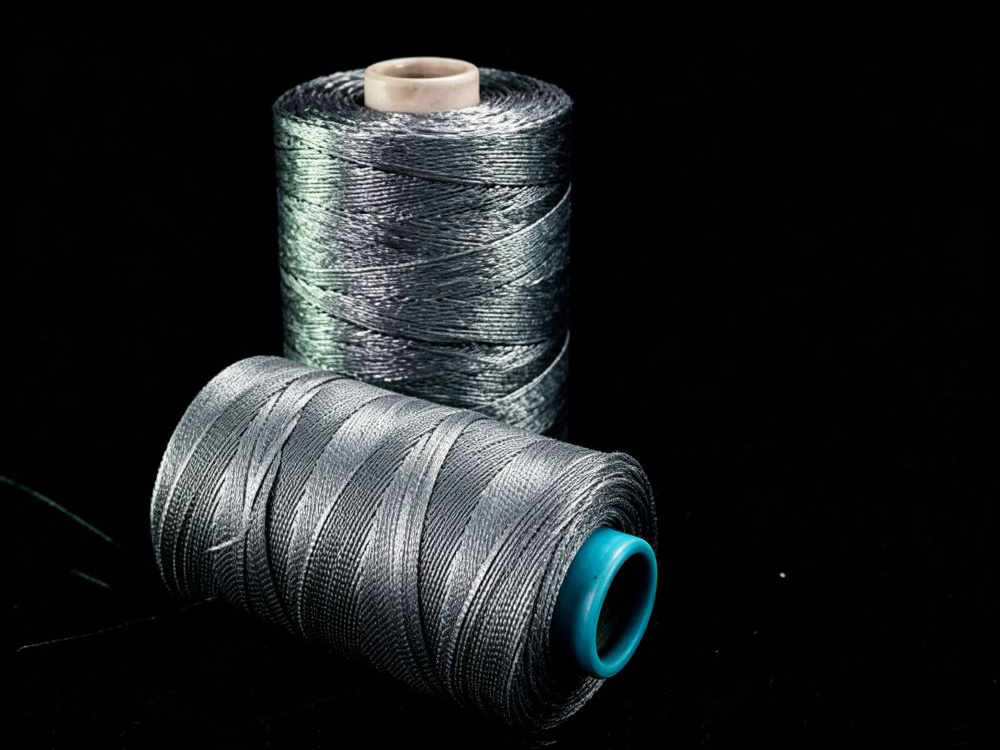
Standard Flexible Graphite Yarn
Standard flexible graphite yarn is braided from expandable graphite, with sulfur content ≤ 1500 ppm and…
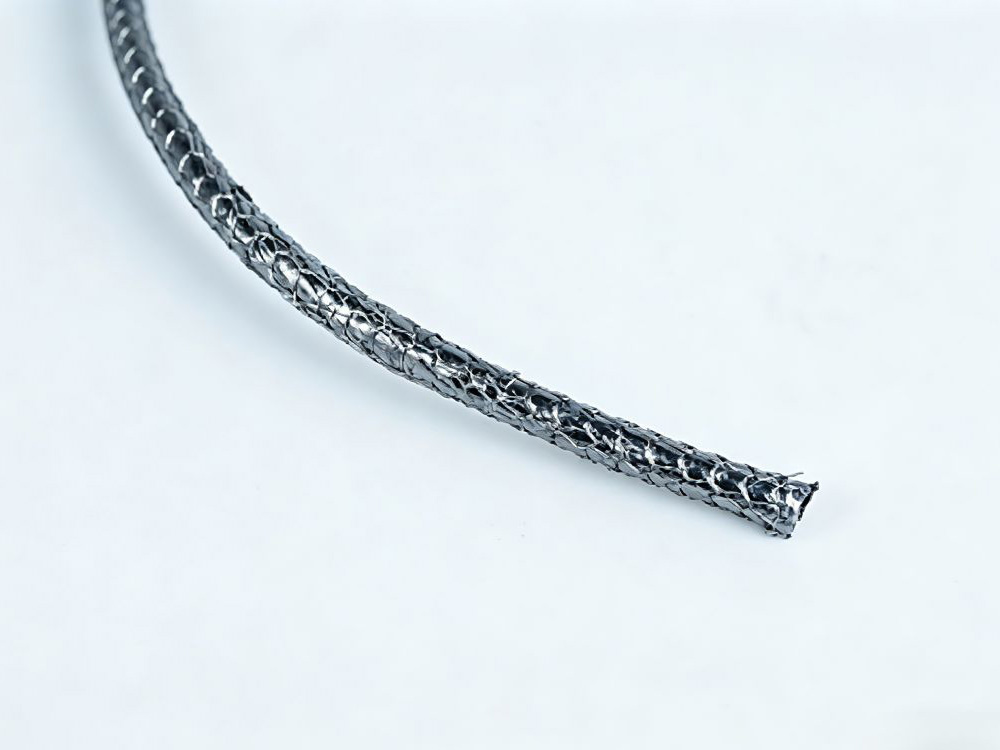
Inconel Wire Outer Hook-braided Reinforced Graphite Yarn
External hook-braided metal-wire graphite yarn produced by advanced single-Inconel-wire crochet-mesh covering…
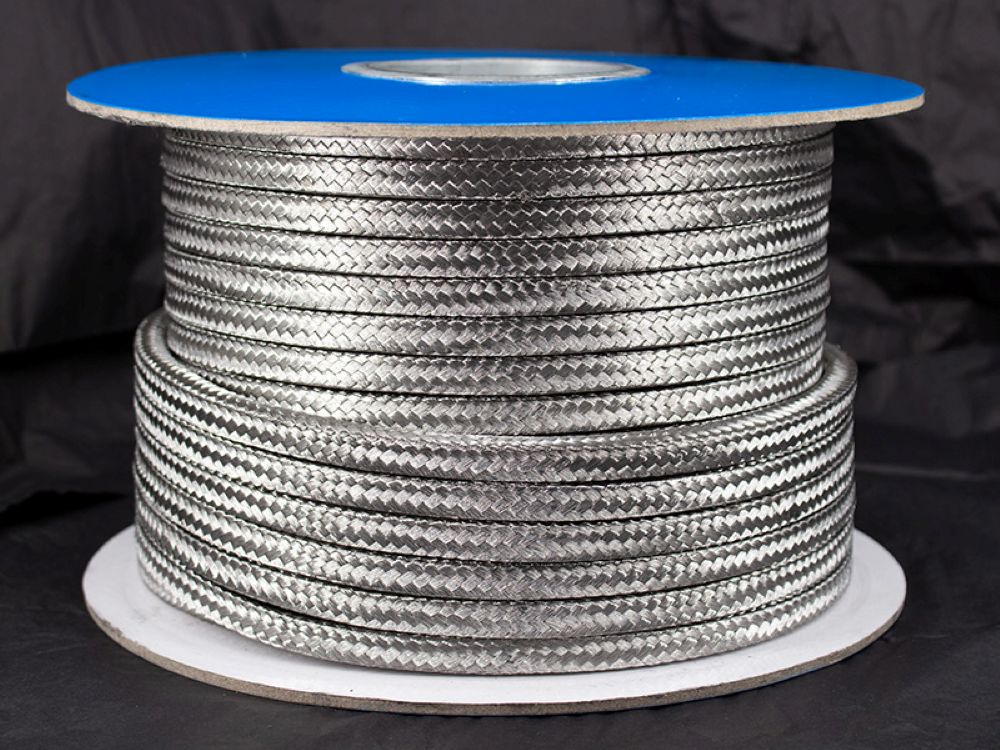
High-temperature Steam Special Graphite Packing
The high-temperature steam special graphite packing is heart-braided from graphite yarn with…
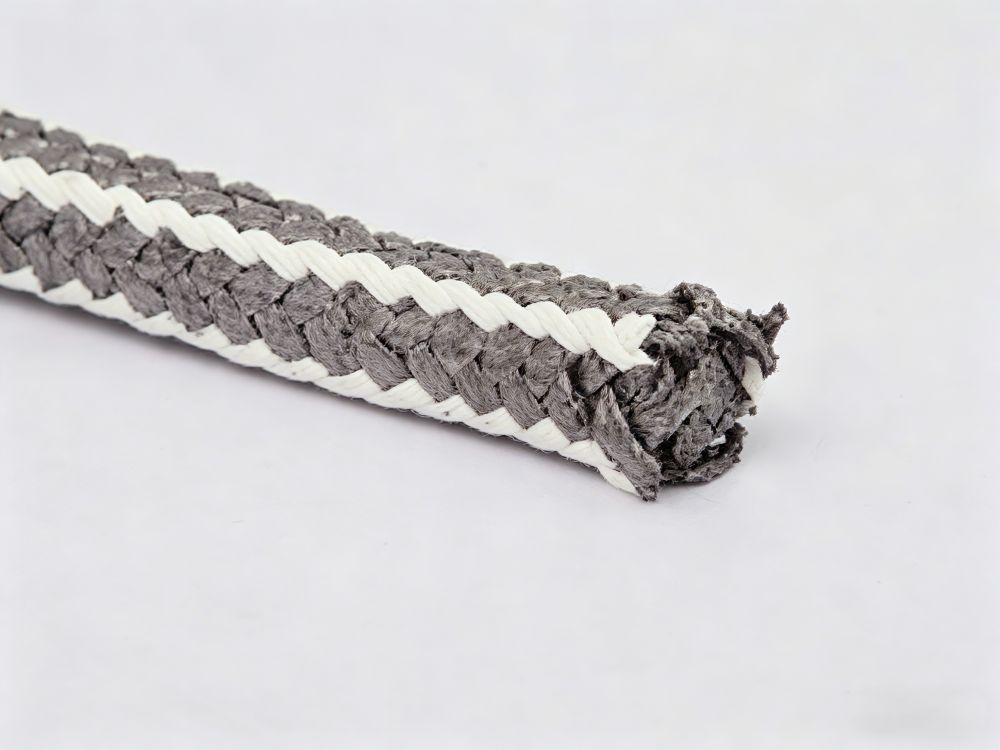
PTFE Corner-yarn Graphite Packing
Carefully braided from pure expanded flexible graphite and reinforced at the corners with high-quality PTFE…