PTFE vs Graphite Packing for Valves
Valve stem packing controls fugitive emissions and leakage at the bonnet. The two materials buyers weigh most often are PTFE (polytetrafluoroethylene) and flexible graphite. Both seat well and both are staples of modern valve service — but they are not interchangeable.
PTFE packing for valves
- Chemical inertness: PTFE resists almost every acid, caustic and solvent, and is food- and pharma-grade (FDA 21 CFR 177.1550).
- Low friction: it seals at low gland stress, which is gentle on the stem and easy for field crews to tighten.
- Limit: PTFE begins to soften and cold-flow above roughly 260 °C, so it is a poor choice for hot steam or thermal-cycling valves.
Graphite packing for valves
- Temperature: flexible (expanded) graphite stays stable to about 500 °C and handles steam, hot oil and thermal swings far better than PTFE.
- Low leakage: with correct gland stress (often via live-loading) graphite achieves the tight emission limits referenced in standards such as ISO 15848-1.
- Fire-safe: graphite does not burn, supporting防火 requirements such as API 607.
- Trade-off: it needs higher compression to control leakage and can oxidize in strong oxidizers (e.g. concentrated nitric acid).
Side-by-side
| Factor | PTFE | Graphite |
|---|---|---|
| Max service temperature | ~260 °C | ~500 °C |
| Chemical range | Broadest inertness | Excellent, avoid strong oxidizers |
| Gland torque needed | Low | Higher |
| Steam / hot service | Not recommended | Preferred |
| Best for | Chem, food, pharma, low-temp | Steam, high-heat, emission-critical |
How to decide
Pick PTFE when the media is aggressive chemicals at moderate temperature and you value easy installation. Pick graphite when the valve sees steam, high heat, or must meet strict leakage/emission limits. See also our PTFE vs graphite material overview and the valve stem packing guide.
Frequently Asked Questions
Which is better for steam valves, PTFE or graphite?
Is graphite packing fire-safe?
Why does graphite need more gland torque than PTFE?
Can I use PTFE packing on a chemical valve that also sees heat?
Related Products
All products →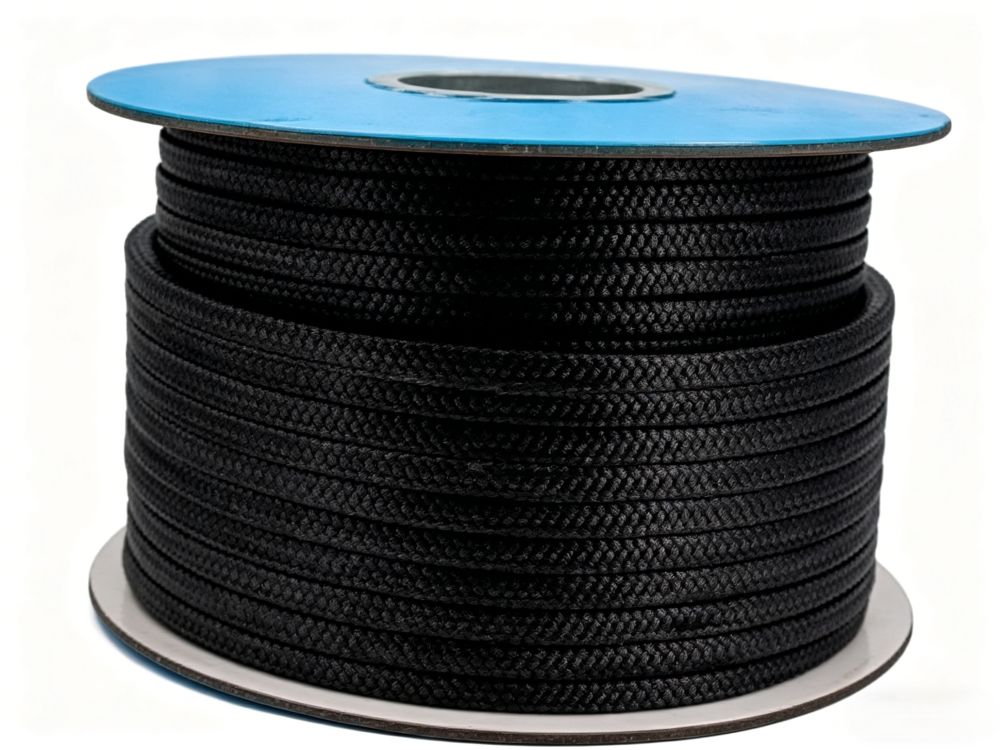
Graphite-coated Carbon Packing
Made by heart-braiding pre-oxidized carbon fiber impregnated with special lubricant and blocking agent, then…
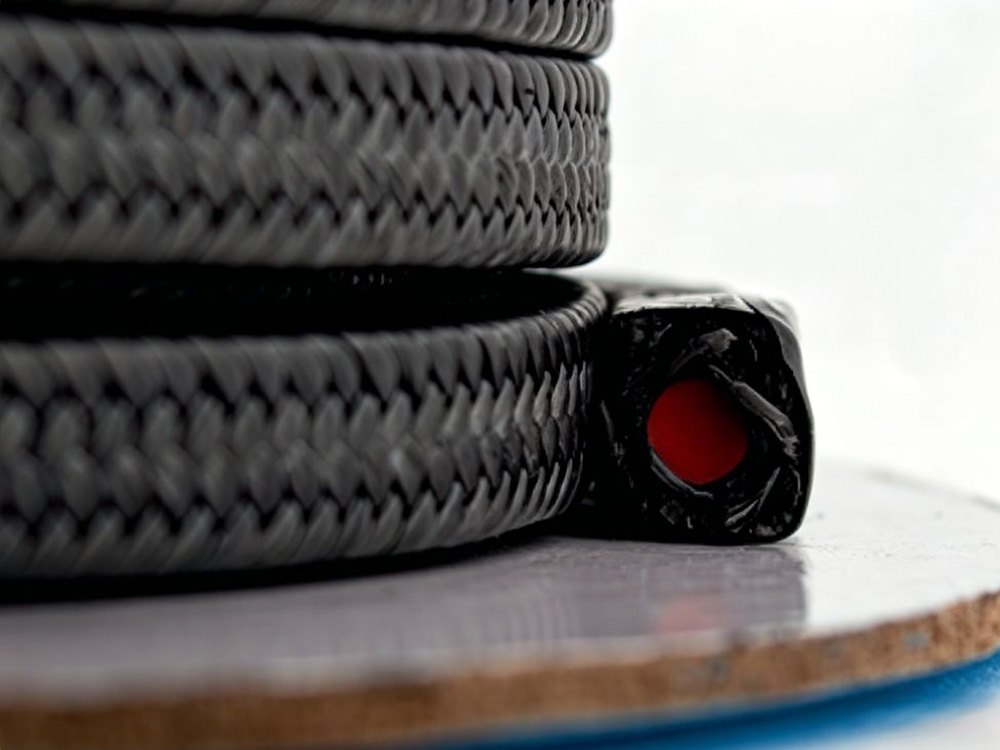
Graphite PTFE Braided Packing with Silicone Core
Braided from graphite-filled PTFE yarn with a central silicone core and a little dimethyl silicone oil…
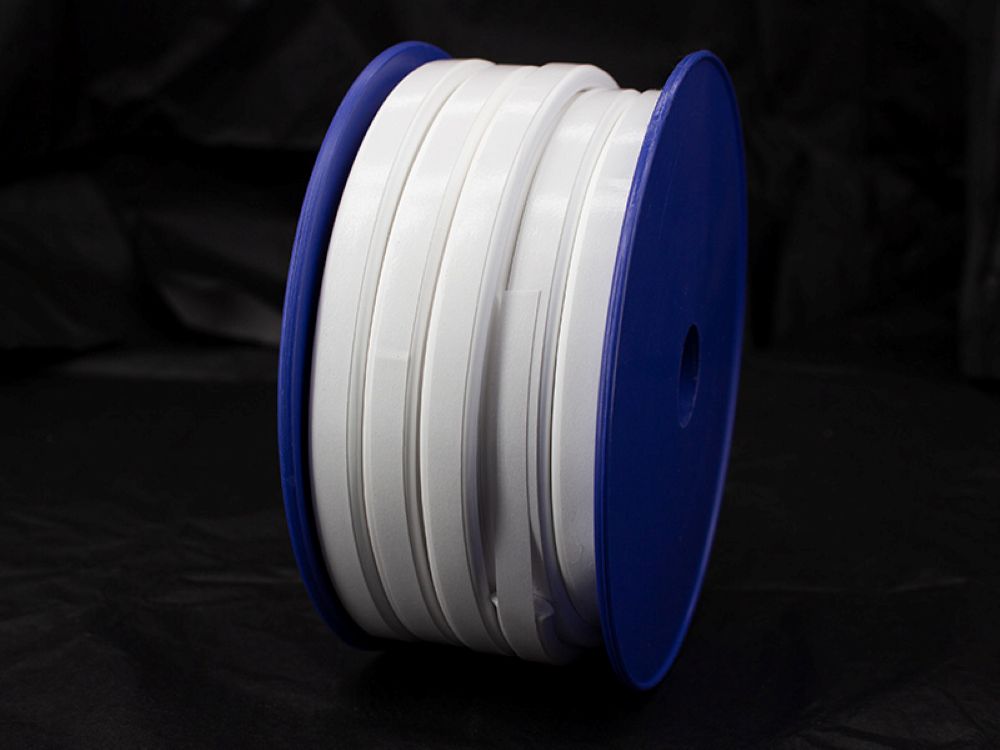
Expanded PTFE Tape
Expanded PTFE tape offers excellent flexibility, compression resilience, creep resistance,…
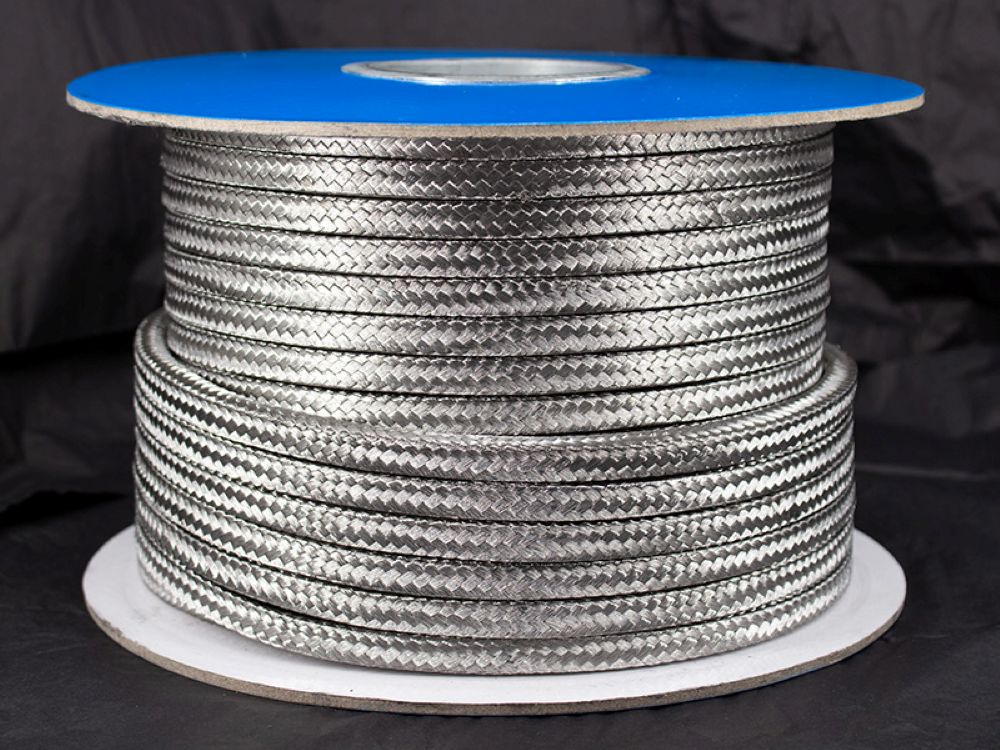
High-temperature Steam Special Graphite Packing
The high-temperature steam special graphite packing is heart-braided from graphite yarn with…
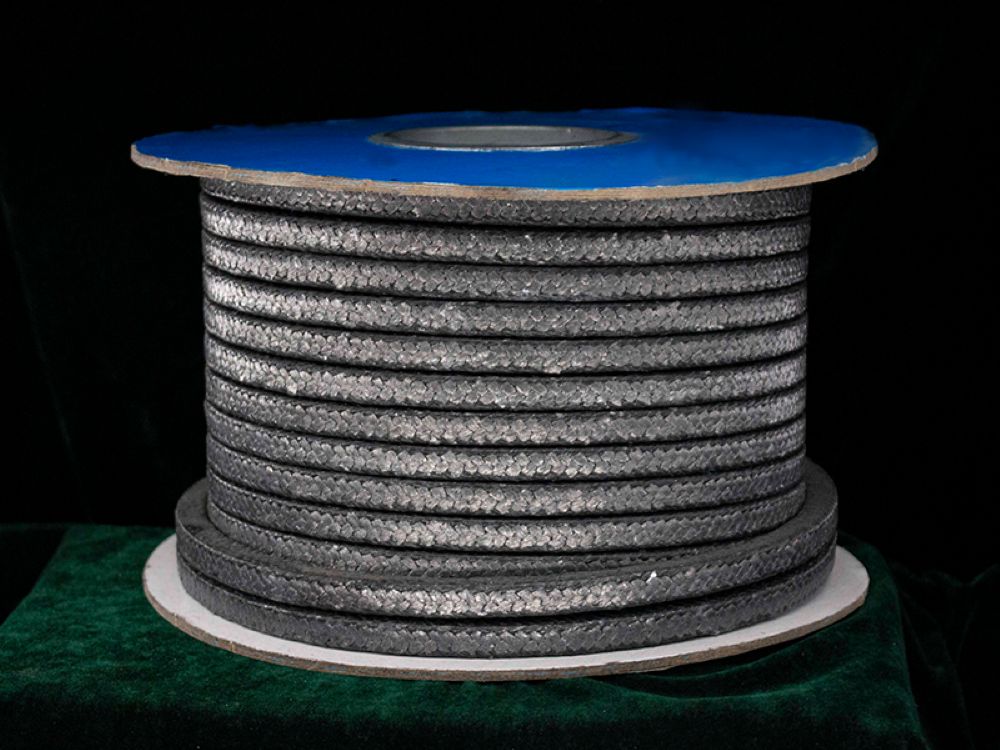
High-carbon Corner-yarn Graphite Packing
Braided from high-carbon fiber corner yarn and flexible graphite yarn. The high-carbon fiber is impregnated…
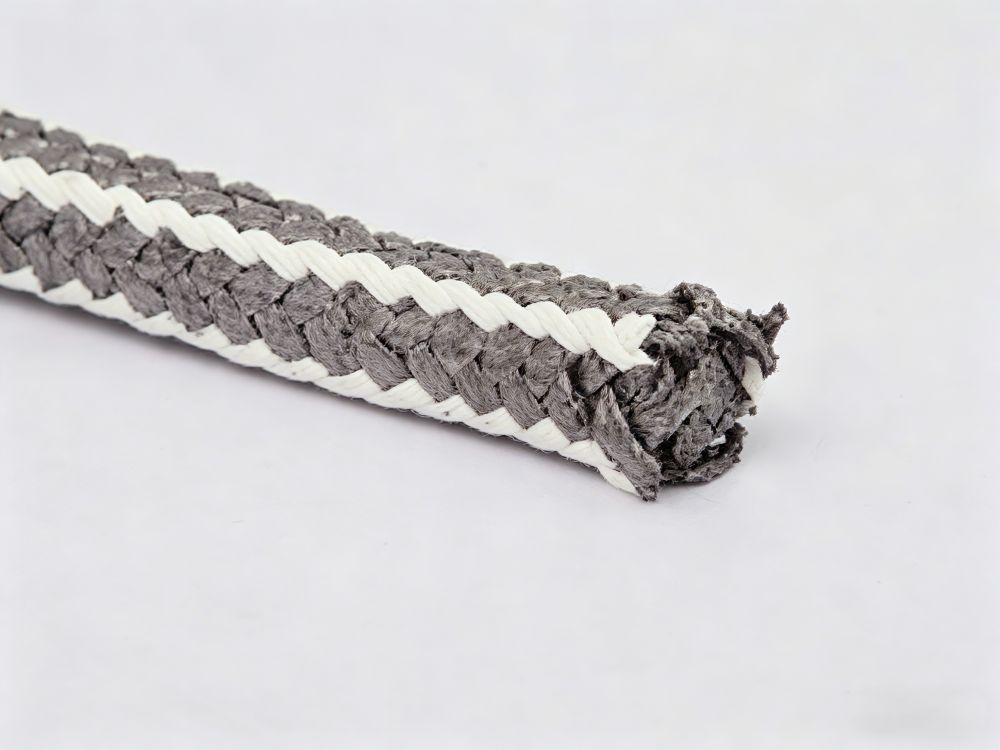
PTFE Corner-yarn Graphite Packing
Carefully braided from pure expanded flexible graphite and reinforced at the corners with high-quality PTFE…
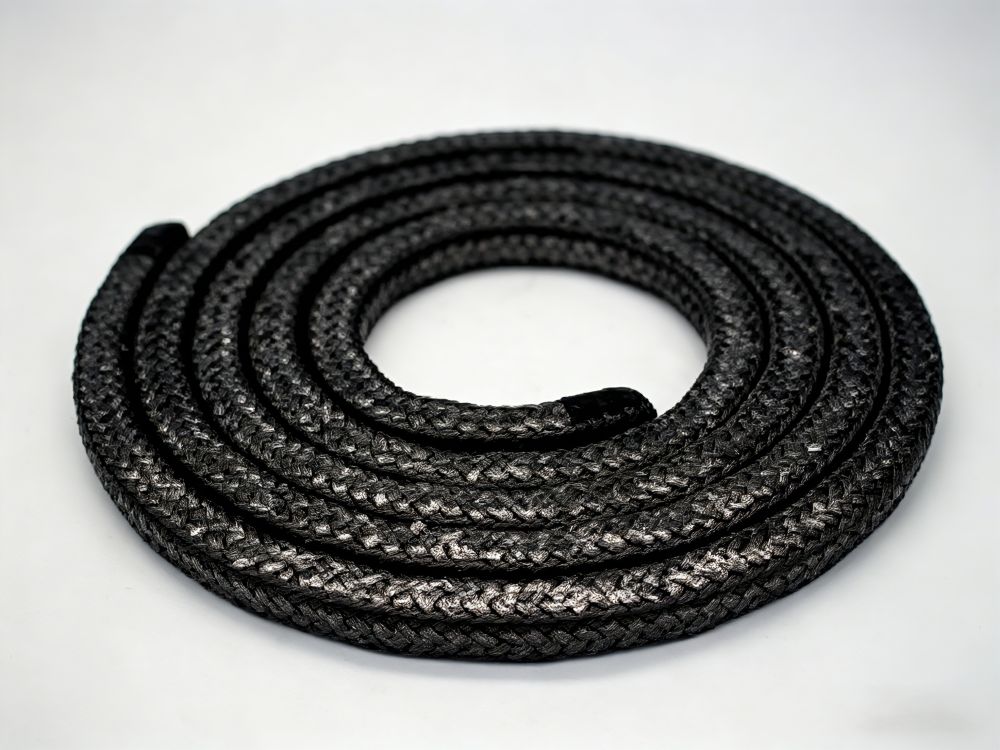
Graphite PTFE Corner-yarn Graphite Packing
Carefully braided from pure expanded flexible graphite and reinforced at the edges and corners with…
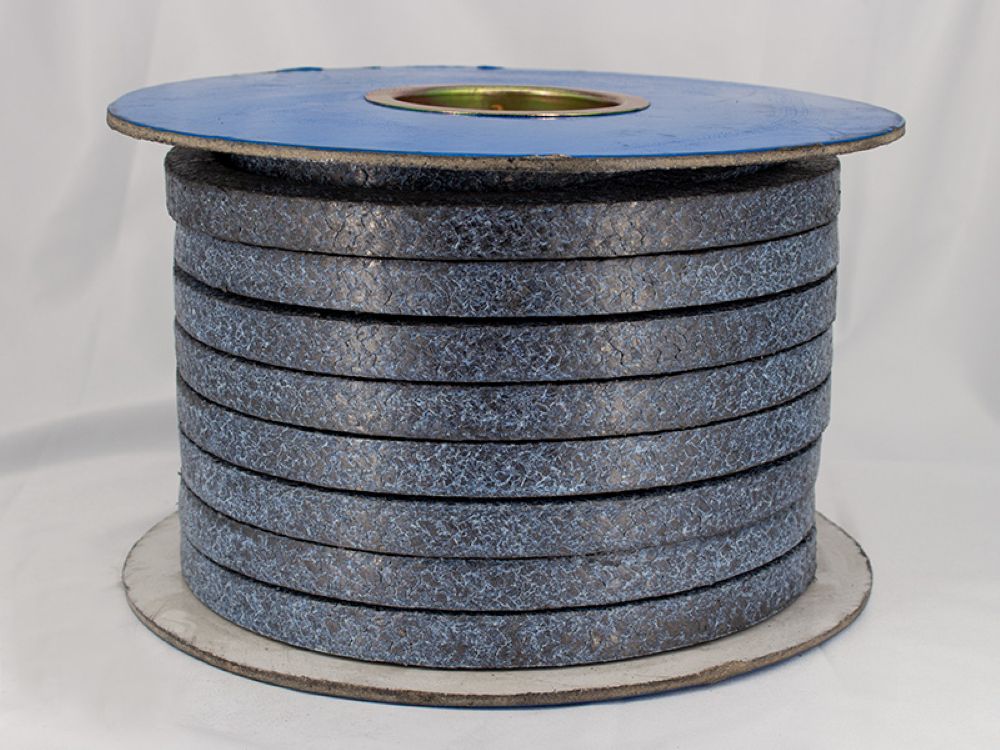
PTFE Impregnated Graphite Packing
PTFE-impregnated graphite packing is braided from graphite yarn fully impregnated with high-grade PTFE…