High-Temperature & Steam Service Packing
Steam and thermal cycling push temperature, oxidation and stress relaxation to their limit. Packing that is fine at 200 °C can fail quickly at 400 °C, so material ceiling — not just chemical fit — drives the choice.
Best materials for high heat
| Temperature | Material |
|---|---|
| Up to ~260 °C | PTFE (limited) |
| ~260–450 °C | Carbon fiber, reinforced graphite |
| ~450–550 °C | Flexible (expanded) graphite, inconel-reinforced |
| Extreme / furnace | Ceramic fiber (high friction, non-lubricated) |
Why graphite wins on steam
- Stable near 500 °C; does not melt or burn.
- Inconel-wire reinforcement resists oxidation and blow-out.
- Supports fire-safe requirements (see API fire-test practices).
What to avoid
- PTFE above ~260 °C — it softens, cold-flows and extrudes.
- Organic- or oil-laden packings that carbonize and harden under heat.
See PTFE vs graphite for valves and valve stem packing for the valve-specific view.
Frequently Asked Questions
What packing is best for steam valves?
Why can't I use PTFE on hot steam?
How hot can graphite packing go?
What about ceramic fiber for extreme heat?
Related Products
All products →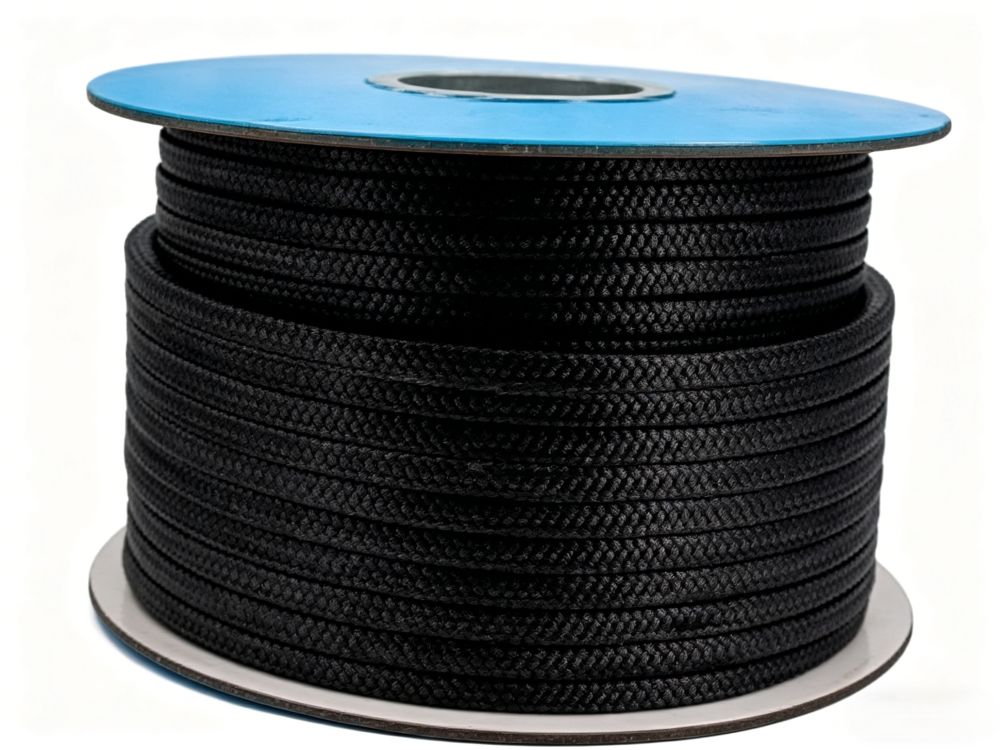
Graphite-coated Carbon Packing
Made by heart-braiding pre-oxidized carbon fiber impregnated with special lubricant and blocking agent, then…
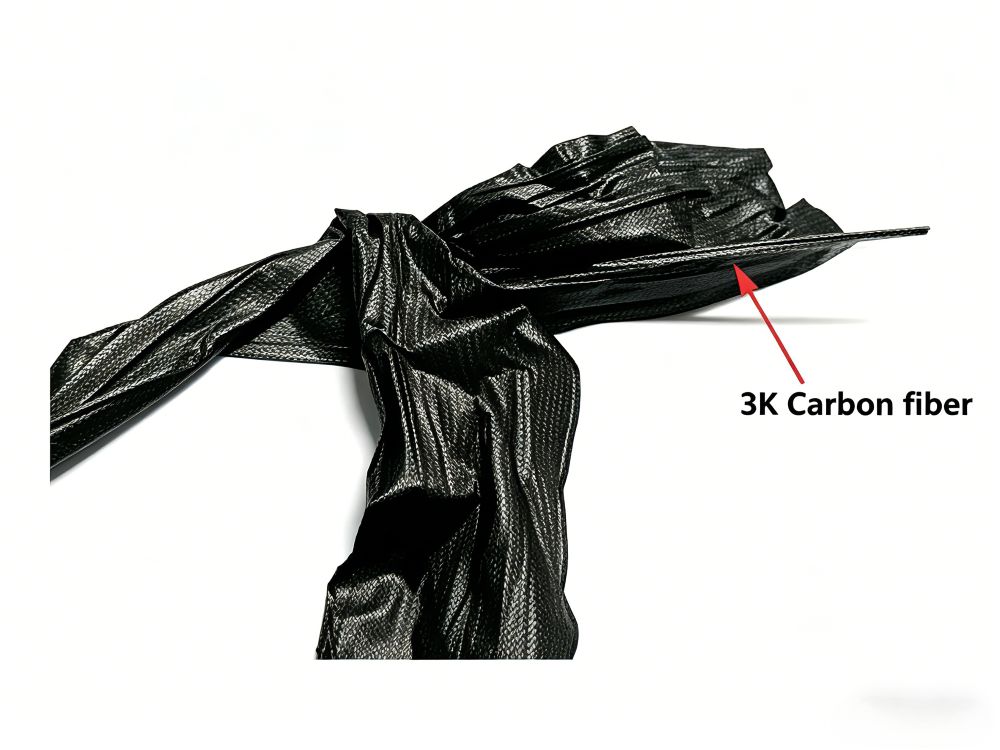
High-carbon Reinforced Double-layer Graphite PTFE Yarn
Based on 4105H with high-carbon fiber added at the center for reinforcement; graphite or other materials can…

TYP018 Carbon Fiber Packing
Made of imported carbon fiber , impregnated PTFE or graphite and special lubricants the product has high…
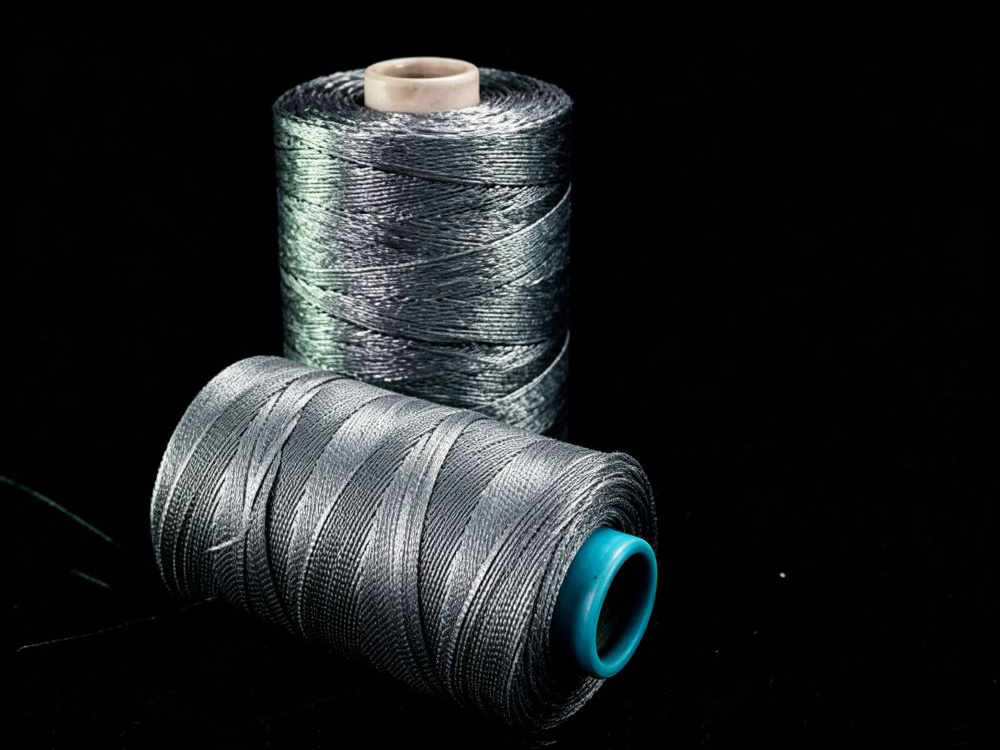
Standard Flexible Graphite Yarn
Standard flexible graphite yarn is braided from expandable graphite, with sulfur content ≤ 1500 ppm and…
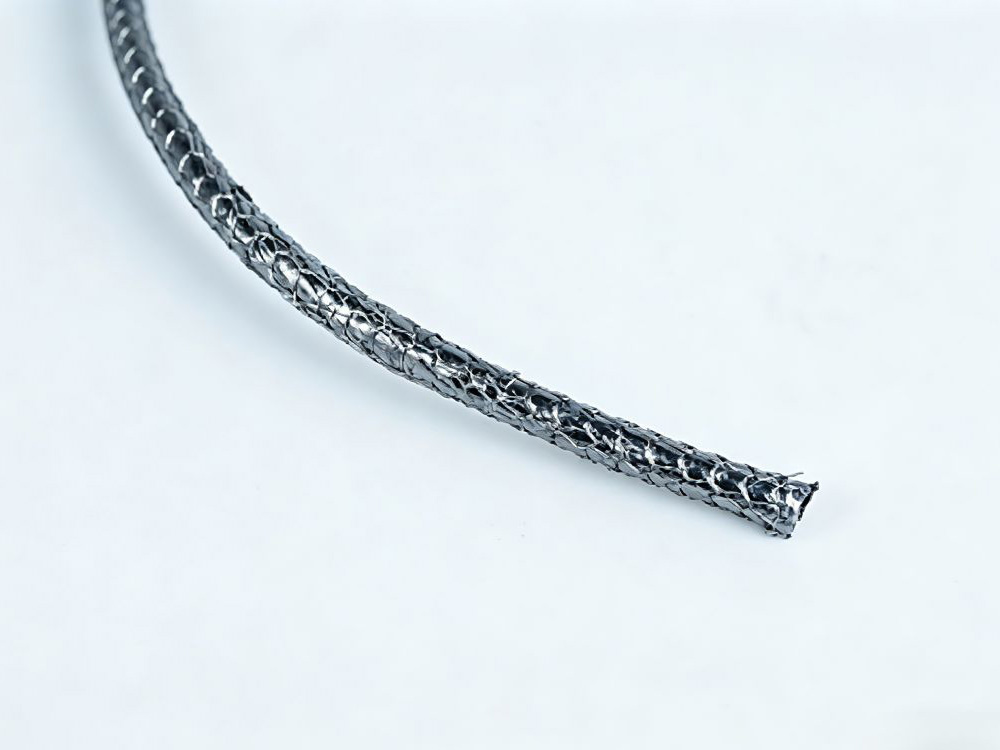
Inconel Wire Outer Hook-braided Reinforced Graphite Yarn
External hook-braided metal-wire graphite yarn produced by advanced single-Inconel-wire crochet-mesh covering…
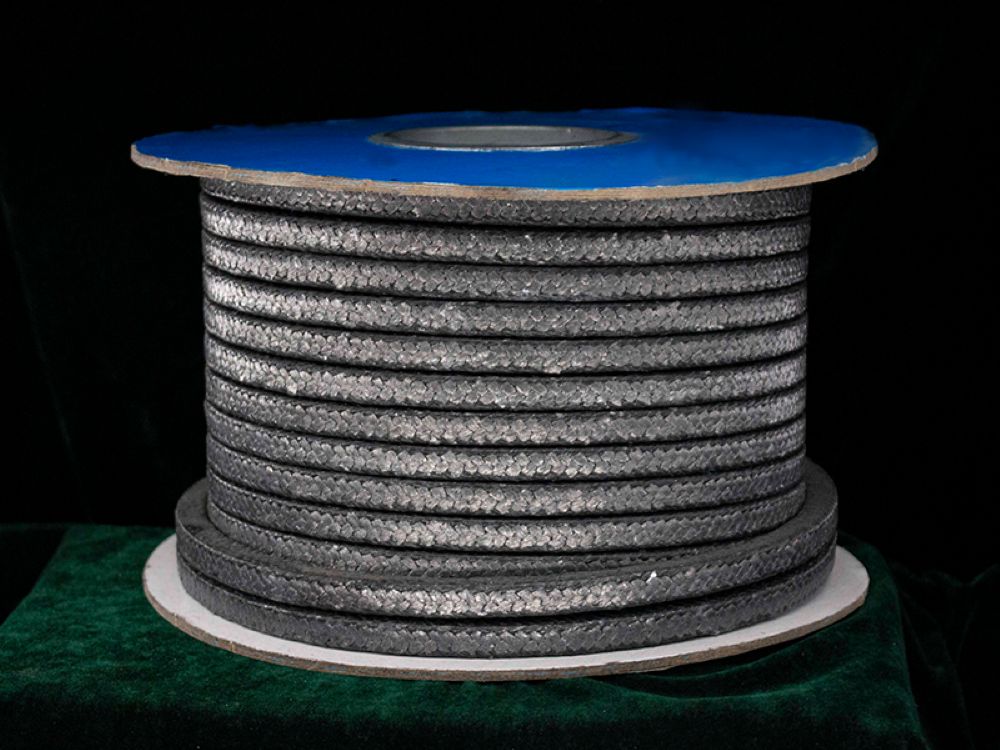
High-carbon Corner-yarn Graphite Packing
Braided from high-carbon fiber corner yarn and flexible graphite yarn. The high-carbon fiber is impregnated…
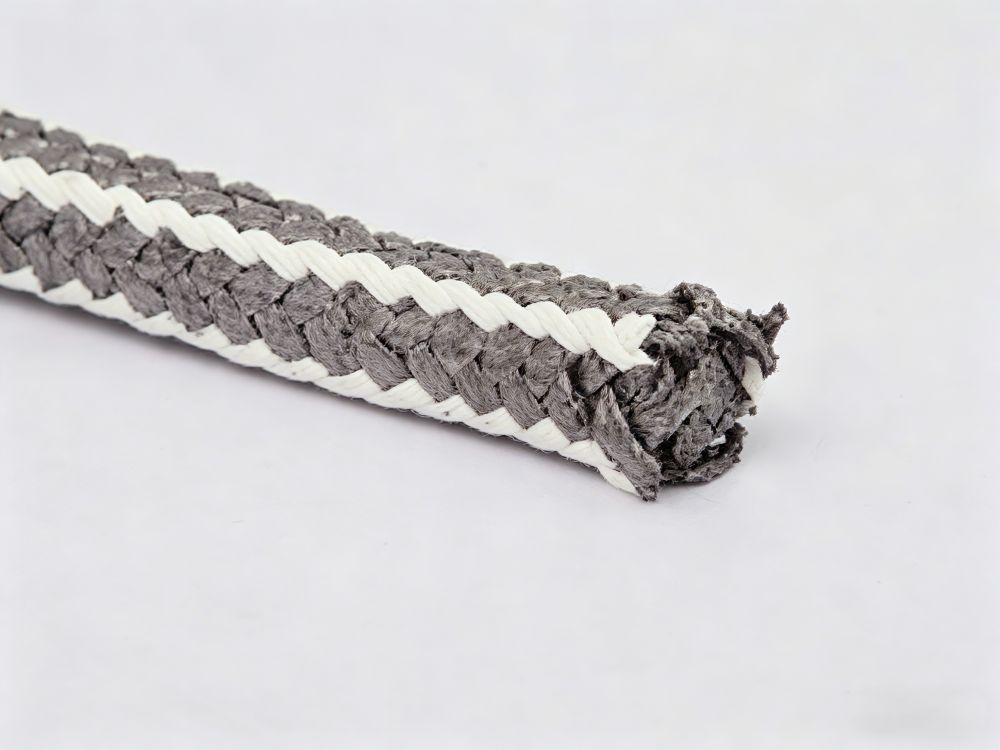
PTFE Corner-yarn Graphite Packing
Carefully braided from pure expanded flexible graphite and reinforced at the corners with high-quality PTFE…
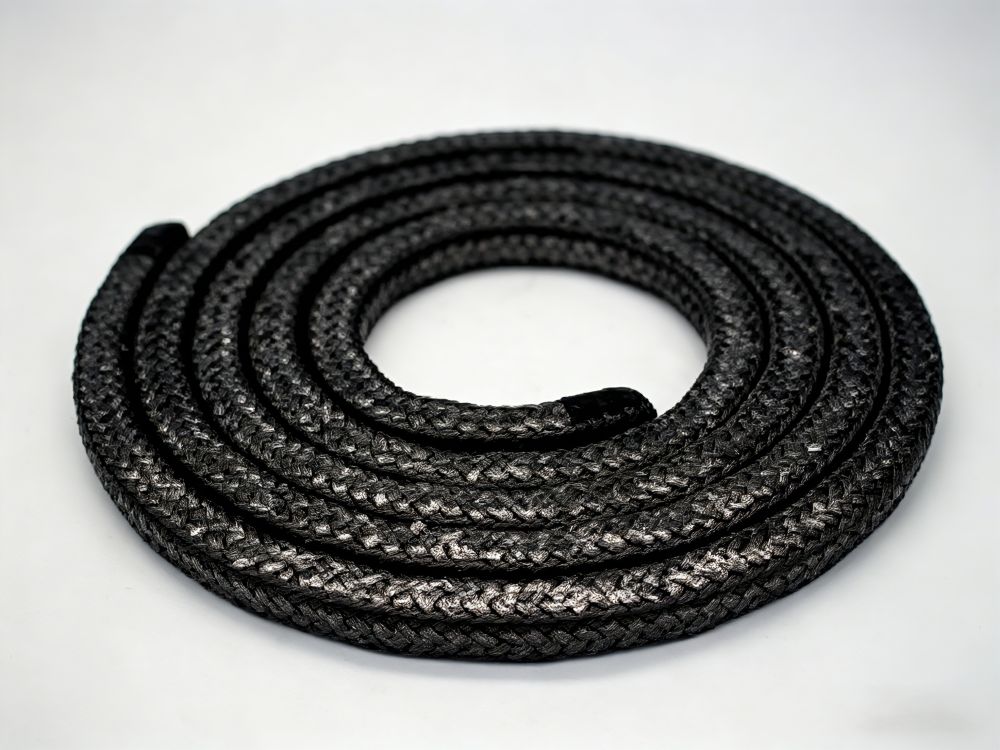
Graphite PTFE Corner-yarn Graphite Packing
Carefully braided from pure expanded flexible graphite and reinforced at the edges and corners with…